Should You Buy or Rent a Pile Cutting Tool? A Cost Comparison for Contractors
15
Jul
Should You Buy or Rent a Pile Cutting Tool? A Cost Comparison for Contractors
Should You Buy or Rent a Pile Cutting Tool? A Cost Comparison for Contractors
Every contractor wants to keep project costs under control while delivering work on schedule. When it comes to pile cutting, one of the biggest decisions is whether to rent a pile cutting tool for each project or purchase one for long-term use.
Renting can seem like the more affordable option at first, especially for companies taking on one or two pile cutting projects a year. However, for contractors regularly tasked with removing existing piling on demolition projects, owning the right equipment often delivers greater long-term value, better scheduling flexibility, and significant cost savings compared to repeated rentals.
In this guide, we’ll compare the true costs of buying versus renting a pile cutting tool and help you determine which option makes the most financial sense for your business.
The Real Cost of Renting
Example: Typical Project Rental Cost
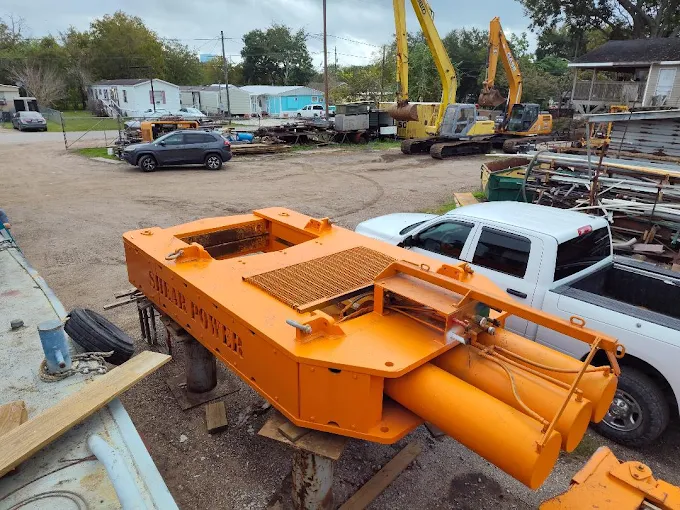
Imagine a contractor completing three large scale bridge, dock, or pier demolition projects in one year, for example renting a 48-inch hydraulic pile cutter, hydraulic power pack, and hose package.
Based on average industry rental rates of approximately:
- $2,500 per day
- $10,000 per week
- $40,000 per month
These figures do not include mobilisation, or operator training costs. These cost may increase if you include site training and mobilisation.
The average rental period for a large-scale piling demolition project is approximately three months, bringing the total rental expense to roughly $115,000 per project.
If that contractor completes three similar projects during the year, total rental costs can exceed $350,000 annually on equipment they never own.
For contractors operating from multiple locations nationwide, owning a pile cutting system also provides the flexibility to move the equipment wherever it is needed, eliminating recurring rental costs and reducing scheduling delays.
Benefits of Owning a Pile Cutting Tool
A Long-Term Business Asset
Quality pile cutting tools are built for demanding jobsite conditions and can serve contractors for many years with proper maintenance.
Beyond becoming a valuable business asset, purchasing equipment may also provide tax advantages through capital depreciation or write offs during the first several years of ownership.
Rather than being an ongoing expense, the equipment becomes an investment that supports future growth while potentially offering additional financial advantages.
Better Project Scheduling
Construction schedules change frequently. Waiting for rental equipment or extending a rental period due to weather can disrupt an entire project. Owning your own pile cutting tool means your crew can start work whenever conditions are right, without relying on rental availability.
Increased Productivity
Having equipment readily available eliminates unnecessary delays. Crews spend less time coordinating rentals and more time completing work, helping projects stay on schedule and improving overall efficiency.
Stronger Profit Margins
Every rental payment reduces project profitability. Once equipment is owned, recurring rental expenses disappear, allowing contractors to retain more of the revenue generated from each job.
Conclusion:
Under the previous cost analysis described, by comparison, purchasing the equipment transforms that expenditure into a long-term business asset. Contractors gain complete control over equipment availability, avoid recurring rental fees, and can move the tool between projects or branch locations as needed. Over time, ownership often delivers a significantly lower cost per project while improving scheduling flexibility and overall profitability.
Recent Post